

The legal cannabis industry has experienced explosive growth over the past decade. But growth rarely comes without growing pains.
As we enter 2026, the market is confronting a significant financial reality often referred to as the “cannabis debt wall.” Hundreds of operators, many of whom expanded rapidly during early legalization, are now facing loan maturities, declining margins, and increasing competition.
The result? A wave of distressed asset acquisitions, mergers, and strategic consolidations across the industry. For savvy operators and investors, this moment represents a major opportunity.
The Rise of the Cannabis Debt Wall
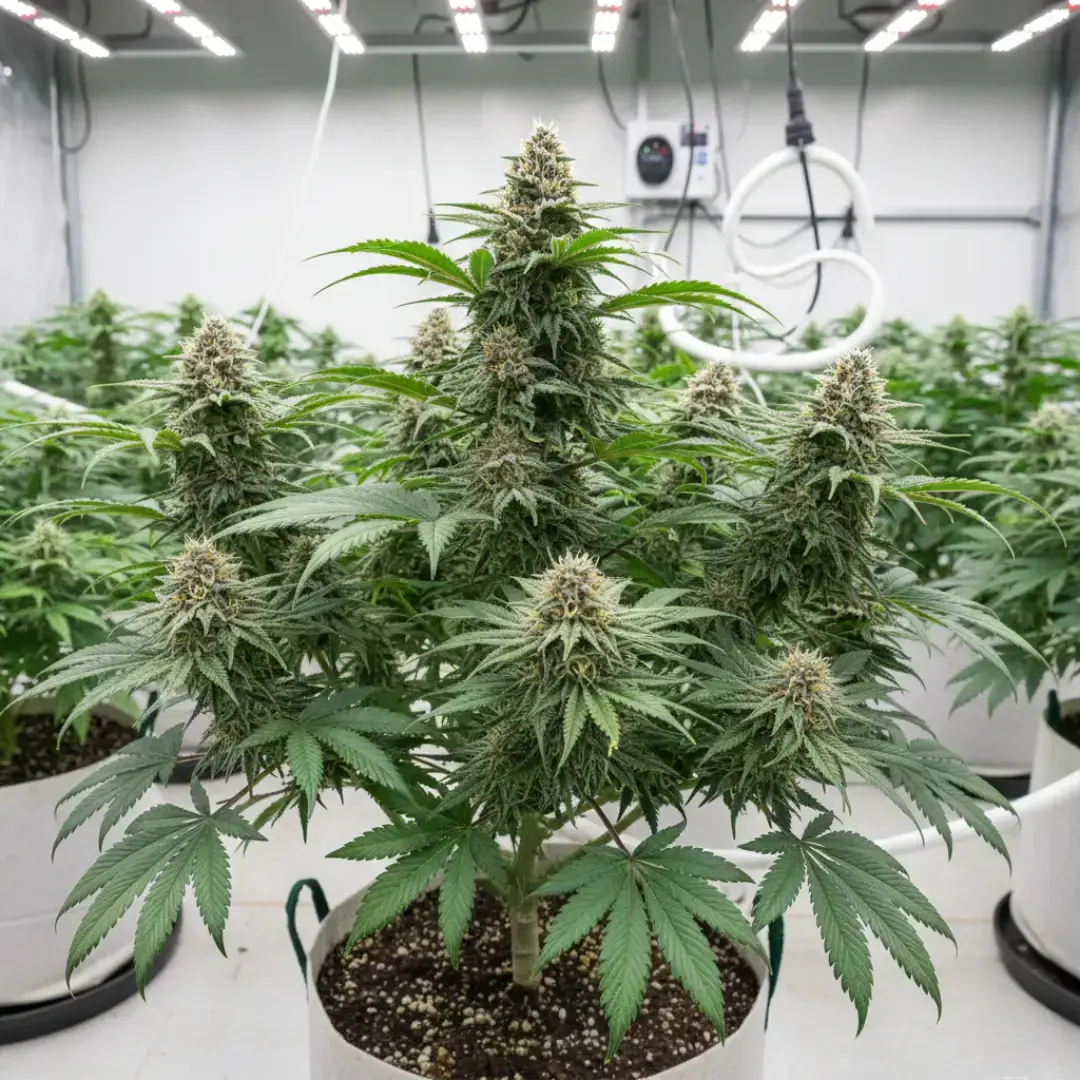
During the early legalization boom, cannabis companies raised capital aggressively to fund expansion, including:
- Large cultivation facilities
- Multi-state retail chains
- Vertical integration projects
However, much of that growth was financed with high-interest private debt. Now, those loans are coming due. With limited access to traditional banking and ongoing federal restrictions, many companies simply cannot refinance easily.
Why Many Cannabis Companies Are Struggling
Several structural issues contribute to the current financial pressure:
- Federal Tax Burden: Because cannabis remains federally illegal, operators are subject to IRS Section 280E, which prevents many standard business deductions and slashes profitability.
- Oversupply and Price Compression: Rapid licensing in many markets created a surplus. Wholesale flower prices have dropped sharply, squeezing margins for producers and retailers alike.
- Capital Market Slowdown: Investor enthusiasm has cooled as companies struggled to deliver consistent profits, leaving many operators overleveraged and undercapitalized.
Distressed Asset Acquisitions: A New Market Phase
As weaker companies struggle, stronger operators are stepping in. Distressed acquisitions allow healthy firms to purchase assets, such as licenses, facilities, or retail stores, at deep discounts.
Common targets include:
- Underperforming dispensaries
- Distressed cultivation operations
- Brands with strong recognition but weak infrastructure
For well-capitalized operators, these deals offer a path to dramatically expand market share.
What This Means for Consumers
Industry consolidation can actually produce several positive outcomes for consumers. Stronger, more stable companies often bring:
- Higher product quality and safety standards
- Improved supply chains for better availability
- More consistent pricing across the board
- Broader product selections and innovation
For dispensaries like Nuna Harvest, these changes create opportunities to partner with the most resilient emerging brands and innovators entering the market.
Why Local Dispensaries Still Win
Even as corporate consolidation increases, community-focused dispensaries remains essential. Local operators understand their customers and curate products based on real, local demand.
At Nuna Harvest, our team constantly evaluates new brands and product categories to ensure guests always have access to the best emerging cannabis products.
The Next Phase of Cannabis
The industry is evolving from “startup chaos” to structured maturity. Much like the craft beer or wine industries, the market will likely settle into a mix of:
- Major national brands
- Strong regional companies
- Independent boutique dispensaries
The next generation of innovation is already underway.